 by
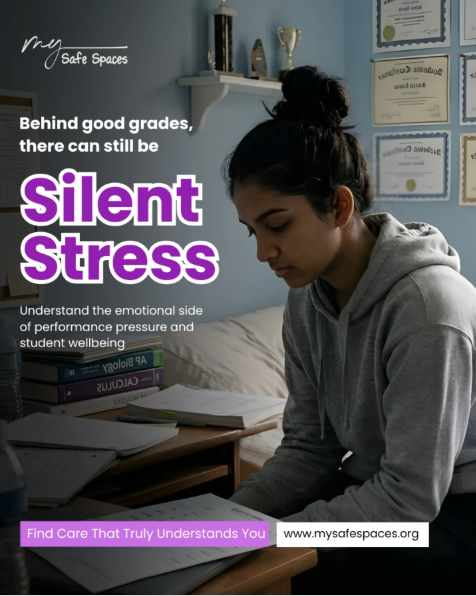
by This blog explains how peer pressure affects students’ focus, thoughts, and confidence. It shows how comparison with others can distract students from their own goals. It also reminds us that staying focused on our own path is the key to real success.
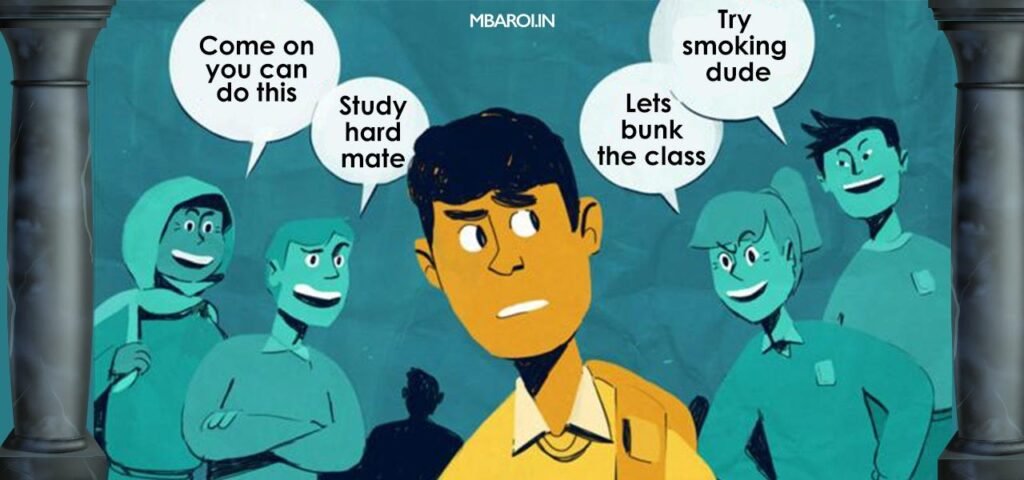
Peer pressure at school can sometimes push students toward bad habits like smoking. To fit in with friends, some may try it out without understanding the harm. This can affect their health, studies, and future. Real strength is saying no and choosing a healthy, focused life.
“It takes courage to stand alone, but that courage builds your future.”
Peer pressure is one of the most powerful influences in a student’s life, especially during school time when emotions, friendships, and identity are still developing. At this stage, students often want to be accepted, liked, and seen as part of a group. In this process, they sometimes change their behavior, not because they want to, but because they feel forced to match what others are doing. One of the most dangerous outcomes of this pressure is getting involved in bad habits like smoking.
Smoking in school age does not usually begin with intention. It often starts with curiosity, a dare, or the pressure of friends who may already be involved in it. A student might think, “Just once will not matter,” or “Everyone is doing it, so it is normal.” But this small step can slowly turn into a habit that is very hard to leave. What seems like a moment of acceptance among friends can become a long-term problem affecting health, studies, and future goals.
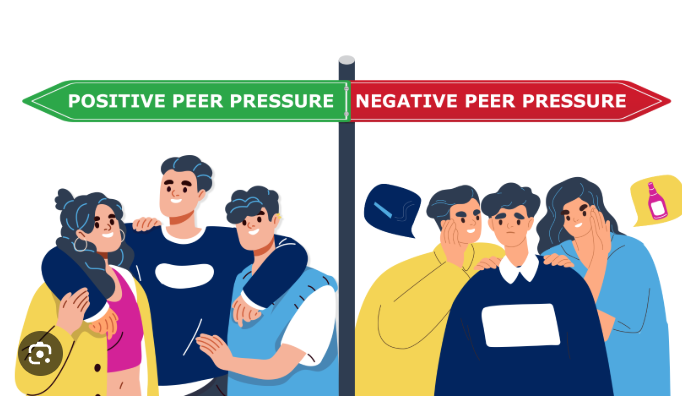
Peer pressure works quietly. It does not always force directly; instead, it influences through teasing, comparison, or the fear of being left out. Students who are strong academically or have clear goals can also fall into this trap if they are not careful. The desire to belong can sometimes become stronger than the desire to make the right choice. In such moments, students forget that real friends are those who support good habits, not those who push harmful actions.
Smoking at a young age has serious effects. It slowly harms the body, reduces stamina, and affects concentration. A student who starts smoking may find it harder to focus on studies, participate in sports, or perform well in daily life. Over time, it can also damage confidence and self-respect. What starts as a small habit can grow into dependence, making it difficult to quit later in life. This is why early decisions are very important, because they shape the future.
But the biggest loss is not just physical health—it is the loss of control over one’s own choices. When a student follows peer pressure blindly, they stop thinking independently. They begin to act based on what others say instead of what they believe is right. This weakens self-confidence and creates confusion about identity. A strong student is not the one who follows the crowd, but the one who can stand alone when necessary and choose what is right.
It is important to understand that saying “no” is not a sign of weakness—it is a sign of strength. Many students fear that refusing their friends will make them unpopular or isolated. But true confidence comes from being honest with yourself, even if it means standing apart for a while. Real friendships are not based on pressure but on respect and understanding.
Schools and families also play a big role in guiding students. Awareness, open communication, and supportive environments can help students make better decisions. When students feel understood and confident, they are less likely to fall into negative peer influence.
In the end, peer pressure is real, but it is not stronger than self-control. Every student has the power to choose their path. Smoking or any harmful habit may seem small in the beginning, but its impact can last a lifetime. Choosing discipline, health, and focus is always better than temporary acceptance. True success comes not from following others, but from staying true to yourself and building a future with clear and strong decisions.